


Introduction
Mountaineering offers a unique opportunity to explore some of the world’s most spectacular landscapes while testing physical endurance, technical skills, and mental resilience. From icy wilderness areas to remote tropical mountain ranges, every climbing destination presents its own challenges and rewards. Among the most distinctive adventures are the Denali Expedition in Alaska, North America, and the Puncak Jaya Expedition in Indonesia, Oceania.
Both mountains are important objectives for experienced mountaineers and travelers pursuing the Seven Summits challenge, which involves climbing the highest mountain on each of the seven continents. However, Denali and Puncak Jaya offer remarkably different environments, climbing conditions, and logistical challenges. Understanding these differences is essential for anyone planning either expedition.
Exploring the Denali Expedition
The Denali Expedition is one of North America’s most demanding mountaineering adventures. Located in Alaska’s Denali National Park and Preserve, Denali rises to 6,190 meters (20,310 feet) above sea level, making it the highest mountain in North America.
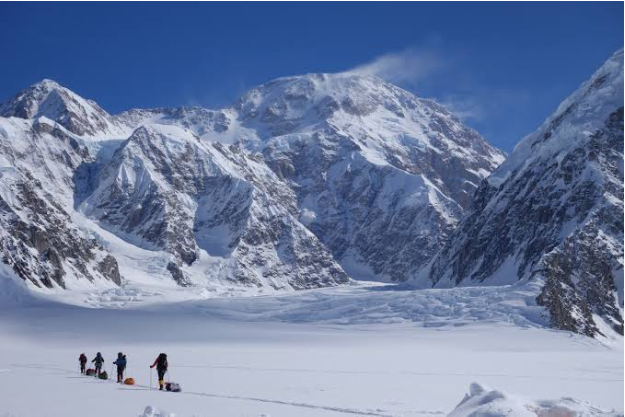
Denali is famous for its immense glaciers, steep snow-covered slopes, and extreme weather conditions. Despite being lower than several other Seven Summits peaks, it is particularly challenging because of its northern latitude, which contributes to exceptionally cold temperatures and reduced atmospheric pressure at a given elevation.
Most climbers attempt the West Buttress route, a popular approach that still requires significant mountaineering experience and careful preparation. The expedition typically involves traveling across glaciers, ascending steep snow slopes, and establishing a series of camps while gradually gaining altitude.
Unlike expeditions where support teams carry most equipment, many Denali climbers must haul heavy sleds and carry substantial loads themselves. This makes physical endurance, efficient packing, and teamwork especially important.
Weather is another major factor. High winds, severe cold, and sudden storms can delay progress for several days. Climbers must be prepared to wait for suitable conditions and understand when turning around is the safest decision.
A typical Denali Expedition may take approximately two to three weeks on the mountain, although the overall trip can be longer depending on travel arrangements and weather. Previous glacier travel experience, knowledge of rope systems, crevasse rescue skills, and training with crampons and ice axes are essential preparation for this demanding climb.
Discovering the Puncak Jaya Expedition
The Puncak Jaya Expedition offers a completely different mountaineering experience in the remote highlands of Papua, Indonesia. Also known as Carstensz Pyramid, Puncak Jaya reaches approximately 4,884 meters (16,024 feet) and is widely recognized as the highest peak in Oceania under the commonly used Seven Summits list.
Unlike Denali’s extensive snowfields and glaciers, Puncak Jaya is famous for its steep limestone rock faces, rugged ridges, and technical climbing routes. Although its elevation is considerably lower than Denali’s, the mountain presents unique challenges that require specialized skills.
The standard climbing route involves technical rock climbing, fixed-rope sections, and exposure to steep terrain. Climbers need experience with climbing equipment, rope systems, and safe movement on exposed rock. Wet conditions can make the rock slippery and increase the difficulty of the ascent.
Reaching the mountain can also be challenging. Remote access, transportation arrangements, local regulations, and changing logistical conditions can complicate expedition planning. Climbers should confirm current access arrangements and work with a reputable operator familiar with the region.
The surrounding landscape is particularly distinctive because tropical rainforest exists at lower elevations, while the mountain rises into a rugged alpine environment. This dramatic contrast makes Puncak Jaya a fascinating destination for mountaineers seeking a less conventional adventure.
The expedition duration varies depending on the access method, route conditions, and logistics. Climbers should allow additional time for transportation, preparation, weather delays, and the return journey.
Key Differences Between the Two Expeditions
Although both mountains are associated with the Seven Summits challenge, their demands differ significantly.
- Altitude and Climate: Denali reaches 6,190 meters and is known for severe cold and extreme weather. Puncak Jaya is lower but presents technical rock-climbing challenges in a humid and often wet environment.
- Technical Skills: Denali requires glacier travel, crevasse rescue knowledge, snow and ice climbing skills, and efficient load management. Puncak Jaya emphasizes technical rock climbing, rope handling, and movement on exposed terrain.
- Physical Preparation: Both expeditions require excellent fitness. Denali demands sustained endurance while carrying heavy loads, whereas Puncak Jaya requires climbing strength, balance, and confidence on exposed rock.
- Logistics: Denali requires careful planning for glacier travel, expedition supplies, and changing weather. Puncak Jaya requires particular attention to remote access, local permissions, and transportation arrangements.
- Overall Experience: Denali offers a vast, cold wilderness adventure, while Puncak Jaya combines remote tropical travel with a technical mountain ascent.
Essential Tips for Planning Your Expedition
Preparation is fundamental to mountaineering success. Consider these important points before choosing either adventure:
- Develop appropriate fitness: Combine cardiovascular training, strength exercises, and endurance activities suited to your chosen route.
- Build technical experience: Practice glacier travel and crevasse rescue for Denali, or technical rock climbing and rope systems for Puncak Jaya.
- Choose a reputable operator: Check guide qualifications, safety procedures, equipment standards, and recent expedition experience.
- Prepare suitable equipment: Select clothing, footwear, helmets, harnesses, and climbing gear appropriate for the mountain’s conditions.
- Plan for delays: Include contingency days for weather, transport disruptions, and changing route conditions.
- Verify regulations: Confirm current permits, access arrangements, insurance requirements, and local travel guidance.
- Prioritize safety: Follow professional advice and be prepared to postpone or abandon an ascent when conditions become dangerous.
Conclusion
The Denali Expedition and the Puncak Jaya Expedition represent two exceptional but distinctly different mountaineering challenges. Denali tests climbers with extreme cold, glacier travel, heavy loads, and unpredictable weather, while Puncak Jaya demands technical rock-climbing skills and careful planning for remote access.
Choosing the right expedition depends on your experience, physical preparation, technical abilities, and personal goals. Both mountains require respect, patience, and a strong commitment to safety. With thorough preparation and experienced professional support, climbers can approach these remarkable destinations responsibly and gain valuable experience in two of the world’s most distinctive mountain environments. Ultimately, a successful expedition is not defined only by reaching the summit, but also by making sound decisions, working effectively as a team, and returning safely.