


Tanzania stands as one of Africa’s most sought-after safari destinations, offering an unparalleled combination of wildlife diversity, stunning landscapes, and authentic cultural experiences. From the endless plains of the Serengeti to the breathtaking Ngorongoro Crater, and from the elephant herds of Tarangire to the tree-climbing lions of Lake Manyara, Tanzania delivers safari experiences that remain etched in memory forever. However, the success of your African adventure largely depends on one critical decision: selecting the right Tanzania safari company to guide your journey.
Understanding the Tanzania Safari Landscape
The Tanzanian safari industry has evolved significantly over the past decades, transforming from a niche luxury market into a diverse ecosystem of operators catering to every budget, preference, and travel style. Today, hundreds of safari companies operate across Tanzania, ranging from small, family-owned businesses to large international tour operators with decades of experience. This abundance of choice, while beneficial, can make the selection process overwhelming for first-time safari-goers.
A reputable Tanzania safari company does far more than simply transport you between national parks. They serve as your cultural interpreters, wildlife experts, safety guardians, and logistical coordinators, orchestrating every element of your journey to ensure a seamless, enriching experience. The right company brings intimate knowledge of animal behavior, seasonal migration patterns, optimal viewing times, and hidden gems that typical tourists never discover.
What Distinguishes Exceptional Safari Companies
When evaluating potential safari operators, several key factors separate truly exceptional companies from mediocre alternatives. First and foremost is licensing and accreditation. Legitimate Tanzania safari companies must hold proper licenses from the Tanzania Tourist Board and maintain memberships in recognized industry organizations such as the Tanzania Association of Tour Operators (TATO). These credentials ensure the company operates legally, maintains insurance coverage, and adheres to established industry standards for safety and environmental responsibility.
Experience and expertise represent another crucial differentiator. Companies with extensive operational histories possess invaluable knowledge about Tanzania’s ecosystems, weather patterns, and wildlife behaviors. Their guides typically demonstrate superior tracking abilities, deeper ecological understanding, and stronger relationships with park authorities and local communities. Many established operators have witnessed the Serengeti’s great migration for decades, understanding its nuances in ways that newer companies simply cannot replicate.
The quality of guides often determines the difference between a good safari and an extraordinary one. Professional Tanzania safari companies invest heavily in guide training, ensuring their staff possess certifications from recognized institutions like the Tanzania Professional Hunters Association or have completed advanced ecology and wildlife management courses. Exceptional guides combine encyclopedic wildlife knowledge with engaging storytelling abilities, transforming game drives from simple animal-spotting exercises into educational journeys that deepen your appreciation for Africa’s complex ecosystems.
Safari Styles and Specializations
Modern Tanzania safari companies offer remarkably diverse safari styles, each catering to different preferences and priorities. Luxury safari operators focus on high-end accommodations, personalized service, and exclusive experiences. These companies typically utilize private conservancies, arrange hot air balloon safaris, and provide accommodations in premium lodges or lavish mobile camps with amenities rivaling five-star hotels. While commanding premium prices, luxury operators deliver uncompromising comfort and often provide access to areas with restricted visitor numbers.
Mid-range safari companies strike a balance between comfort and affordability, offering solid accommodations in established tented camps or lodges while maintaining professional guiding standards and reliable vehicles. These operators represent excellent value for travelers seeking authentic safari experiences without extreme luxury price tags. Their offerings typically include comprehensive itineraries covering Tanzania’s major parks while providing comfortable, clean accommodations and nutritious meals.
Budget safari companies cater to cost-conscious travelers, particularly younger adventurers or those extending their trips across multiple countries. These operators minimize costs through camping safaris, larger group sizes, and simpler meal arrangements. While accommodations may be basic, reputable budget companies maintain the same safety standards and employ knowledgeable guides, proving that memorable safari experiences don’t necessarily require luxury spending.
Specialized safari companies focus on particular niches within the market. Some concentrate on photographic safaris, providing specialized vehicles with roof hatches and beanbag supports, along with guides trained in animal behavior prediction for optimal photo opportunities. Others specialize in walking safaris, offering intimate wilderness experiences on foot with armed rangers. Family-focused operators customize itineraries for traveling with children, incorporating age-appropriate activities and accommodations with family suites. Adventure safari companies combine traditional game viewing with activities like mountain climbing, cultural immersion, or beach extensions on Zanzibar.
Planning Your Safari Journey
Successful safari planning begins with understanding Tanzania’s seasonal variations and how they impact wildlife viewing opportunities. The dry season, spanning June through October, offers exceptional game viewing as animals congregate around remaining water sources, vegetation thinning for improved visibility, and the famous wildebeest migration crosses the Serengeti’s northern reaches. Professional Tanzania safari companies leverage this knowledge to position clients in optimal locations during peak viewing periods.
The green season, running from November through May, presents different advantages despite occasional afternoon rains. Landscapes transform into lush, verdant paradises, migratory bird species arrive in spectacular numbers, and many operators offer reduced rates due to lower demand. Calving season in the southern Serengeti during January and February provides unparalleled predator-prey interaction opportunities as thousands of wildebeest calves are born, attracting large numbers of lions, cheetahs, and hyenas.
Itinerary customization represents another area where quality safari companies excel. Rather than offering rigid, one-size-fits-all packages, exceptional operators take time to understand your specific interests, physical capabilities, time constraints, and budget parameters. They design personalized itineraries that balance popular highlights with lesser-known locations, incorporate adequate rest time to prevent safari fatigue, and allow flexibility for unexpected opportunities or changing weather conditions.
Vehicle Quality and Safety Standards
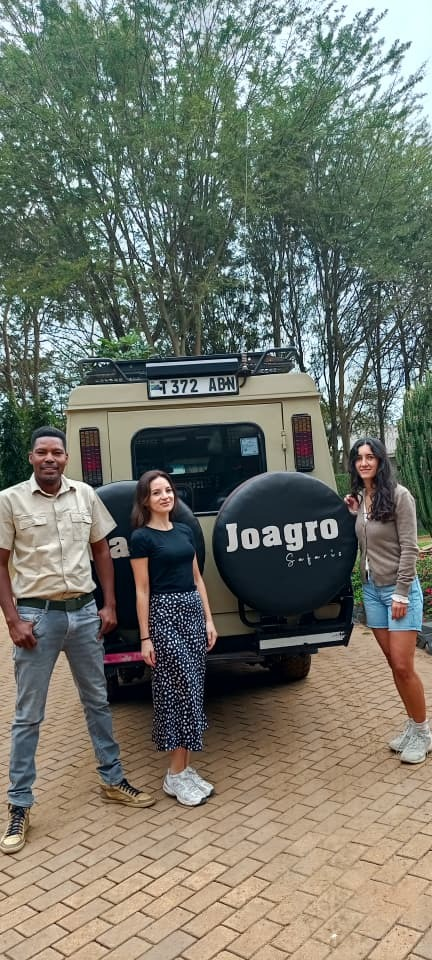
The safari vehicle serves as your mobile home during game drives, making its quality, condition, and features critically important to your overall experience. Professional Tanzania safari companies maintain modern, well-serviced 4×4 Land Cruisers or Land Rovers specifically modified for safari use. These vehicles feature pop-up roofs for optimal wildlife photography and viewing, comfortable seating configurations that typically limit group sizes to six or seven passengers, guaranteed window seats for all travelers, and comprehensive safety equipment including fire extinguishers, first aid kits, and communication devices.
Vehicle age and maintenance standards vary significantly across operators. While budget companies may operate older vehicles to control costs, reputable operators regardless of price point maintain rigorous servicing schedules and replace vehicles before reliability becomes questionable. Mechanical breakdowns in remote areas can ruin safari experiences, waste precious viewing time, and potentially create safety concerns, making vehicle reliability a non-negotiable consideration when selecting your safari company.
Sustainable and Ethical Safari Practices
The most forward-thinking Tanzania safari companies recognize their responsibility as environmental stewards and community partners. These operators implement comprehensive sustainability programs encompassing waste management, water conservation, carbon offset initiatives, and support for anti-poaching efforts. They adhere strictly to park regulations regarding off-road driving, maintain respectful distances from wildlife to minimize disturbance, and educate clients about conservation challenges facing Africa’s ecosystems.
Community engagement represents another hallmark of responsible safari operators. Ethical companies employ local staff, purchase supplies from community vendors, support local schools and medical facilities, and facilitate meaningful cultural exchanges that benefit both visitors and residents. Some operate their own community development foundations, directing portions of their profits toward education, healthcare, and sustainable livelihoods for people living adjacent to wildlife areas.
Evaluating Costs and Value
Safari pricing in Tanzania spans an enormous range, with budget camping safaris starting around $200 per person per day while ultra-luxury experiences can exceed $1,500 daily. Understanding what drives these price differences helps travelers make informed decisions aligned with their priorities and budgets. Accommodation quality represents the single largest cost variable, with luxury lodges charging premium rates for spectacular settings, gourmet cuisine, and exceptional service.
Park fees constitute a significant fixed cost that affects all operators equally. Tanzania’s national parks charge conservation fees, typically ranging from $60-$100 per person per day, which all visitors must pay regardless of their chosen safari style. Reputable companies transparently itemize these fees in their quotations, while less scrupulous operators may obscure true costs through vague pricing structures.
When comparing quotes from different Tanzania safari companies, examine what’s included versus excluded. Comprehensive packages typically incorporate park fees, accommodation, all meals, game drives, professional guide services, and airport transfers. Additional costs might include international flights, travel insurance, tips for guides and camp staff, alcoholic beverages, and optional activities like hot air balloon safaris or cultural visits. Understanding the complete cost picture prevents unwelcome surprises and enables accurate price comparisons across operators.
Booking Process and Communication
The booking experience itself provides valuable insights into a safari company’s professionalism and customer service orientation. Exceptional operators respond promptly to inquiries, provide detailed answers to questions, offer transparent pricing without hidden charges, and demonstrate patience with clients who may be planning their first African safari. They provide comprehensive pre-departure information covering everything from packing recommendations to health requirements, visa procedures, and what to expect during your safari.
Payment terms and cancellation policies vary across operators but should always be clearly stated and reasonable. Most reputable Tanzania safari companies require a deposit to secure bookings, with the balance due several weeks before departure. They should provide clear documentation of payment terms, cancellation deadlines, refund policies, and trip insurance recommendations. Be wary of companies demanding full payment far in advance or refusing to provide written confirmation of booking terms.
Post-Safari Considerations
The relationship between exceptional safari companies and their clients often extends well beyond the trip itself. Quality operators follow up after your return, soliciting feedback to improve their services, maintaining contact for potential future safaris, and often sharing updates about conservation successes or new developments in Tanzania’s safari industry. Many travelers develop long-term relationships with particular companies, returning for subsequent visits or recommending them to friends and family planning their own African adventures.
Conclusion
Selecting the right Tanzania safari company represents one of the most consequential decisions in planning your African adventure. The ideal operator combines extensive experience with passionate commitment to both wildlife conservation and client satisfaction, delivering experiences that transcend simple wildlife viewing to create transformative encounters with nature. They maintain impeccable safety standards, employ exceptional guides, operate well-maintained vehicles, and demonstrate genuine respect for both the environment and local communities.
While the abundance of options may seem daunting initially, thorough research, careful evaluation of credentials and customer reviews, and direct communication with potential operators will guide you toward the company best suited to your specific needs. Whether you seek luxurious comfort or adventurous authenticity, photographic excellence or family-friendly exploration, Tanzania’s diverse safari industry includes operators perfectly positioned to transform your African dreams into unforgettable reality.
The investment you make in your Tanzania safari extends far beyond the financial cost. You’re investing in memories that will last a lifetime, in the preservation of one of Earth’s most remarkable ecosystems, and in the sustainable development of communities coexisting with wildlife. Choose wisely, and your Tanzania safari will stand as one of life’s defining experiences, connecting you profoundly with the natural world and leaving you forever changed by the magic of Africa.
Key Takeaways
- Credentials Matter: Always verify that your chosen Tanzania safari company holds proper licensing from the Tanzania Tourist Board and maintains memberships in recognized industry organizations like TATO.
- Guide Quality is Paramount: The expertise, knowledge, and personality of your safari guide will determine the quality of your experience more than any other single factor.
- Understand Seasonal Variations: Different times of year offer distinct advantages, from dry season game concentration to green season lush landscapes and reduced pricing.
- Vehicle Quality Impacts Comfort: Well-maintained 4×4 safari vehicles with proper modifications, comfortable seating, and safety equipment are essential for enjoyable game viewing.
- Sustainability Matters: Support companies demonstrating genuine commitment to environmental conservation and community development through their operational practices.
- Price Reflects Multiple Factors: Accommodation quality, group size, vehicle age, and included amenities drive price differences, making the cheapest option rarely the best value.
- Customization Enhances Experience: Personalized itineraries designed around your specific interests, fitness level, and priorities deliver superior experiences compared to rigid standard packages.
- Research Thoroughly: Read multiple independent reviews, verify credentials, communicate directly with operators, and trust your instincts about professionalism and transparency.
Frequently Asked Questions
Q: How far in advance should I book my Tanzania safari?
A: For peak season travel (June-October), booking 6-12 months in advance is recommended, particularly for popular parks like the Serengeti or if you’re targeting specific luxury lodges with limited capacity. Shoulder and green season safaris can often be arranged with 3-6 months’ notice, though earlier booking always provides better availability and choice.
Q: What’s the difference between a budget, mid-range, and luxury safari company?
A: Budget companies typically utilize camping accommodations, larger group sizes, and older vehicles to minimize costs, with prices starting around $200-300 per person per day. Mid-range operators offer comfortable tented camps or lodges, smaller groups, and newer vehicles at $300-600 daily. Luxury companies provide premium accommodations, personalized service, exclusive experiences, and exceptional amenities, typically costing $600-1,500+ per person per day.
Q: How do I verify if a Tanzania safari company is legitimate?
A: Check for valid licensing from the Tanzania Tourist Board, membership in TATO or similar professional organizations, established physical office locations in Tanzania, comprehensive insurance coverage, and substantial independent reviews on platforms like TripAdvisor or SafariBookings. Legitimate companies provide transparent contact information, detailed written quotations, and proper documentation.
Q: Should I book directly with a Tanzania safari company or through a travel agent?
A: Both approaches have merits. Booking directly with Tanzania-based operators often provides better prices and direct communication with those executing your safari. However, established travel agents specializing in African safaris offer valuable expertise, can coordinate complex multi-country itineraries, provide advocacy if problems arise, and sometimes negotiate better rates through volume relationships. Your choice depends on your comfort level with international bookings and itinerary complexity.
Q: What should be included in a comprehensive safari package?
A: Complete packages should include all park entrance fees, accommodation for the entire safari duration, three meals daily, bottled water during game drives, professional English-speaking guide services, properly equipped safari vehicle with fuel, airport transfers, and government taxes. Exclusions typically include international flights, travel insurance, visa fees, tips for guides and camp staff, alcoholic beverages, and optional activities like balloon safaris.
Q: How important is guide certification and what should I look for?
A: Guide certification is extremely important. Look for guides with credentials from recognized institutions such as the Tanzania Professional Hunters Association, Tanzania Tourist Board certification, or specialized training in wildlife ecology. Experienced guides should demonstrate deep knowledge of animal behavior, bird identification, ecosystem dynamics, and local culture, while also possessing excellent communication skills and genuine passion for wildlife conservation.
Q: Can Tanzania safari companies accommodate special dietary requirements or accessibility needs?
A: Reputable safari companies routinely accommodate vegetarian, vegan, gluten-free, and other dietary requirements when notified in advance. Accessibility for travelers with mobility challenges varies significantly depending on the specific parks, accommodations, and safari style. While some luxury lodges offer accessible facilities and some companies specialize in accessible safaris, the rugged nature of traditional safari activities presents genuine challenges. Discuss your specific needs directly with operators during the planning phase to identify feasible options.
Q: What happens if there’s a mechanical breakdown or other problem during my safari?
A: Professional Tanzania safari companies maintain contingency plans for emergencies, including backup vehicles, communication systems for remote areas, comprehensive insurance coverage, and established protocols for medical evacuations if necessary. Quality operators should clearly explain their emergency procedures during pre-departure briefings and maintain 24/7 support capabilities. This represents another reason to choose properly licensed, insured, and established companies over budget operators with minimal infrastructure.
Q: Is tipping expected and what are appropriate amounts?
A: Tipping is customary in Tanzania’s safari industry and represents an important income component for guides, drivers, and camp staff. General guidelines suggest $20-30 per person per day for safari guides, $10-15 per person per day for camp staff (divided among all staff), and $5-10 per day for drivers if separate from your guide. Many companies provide detailed tipping guidelines in pre-departure materials. Tips should reflect service quality and are typically given in US dollars at the safari’s conclusion.
Q: How do I know if a safari company genuinely supports conservation and communities?
A: Look for concrete evidence of conservation commitment rather than vague marketing claims. Legitimate indicators include formal partnerships with recognized conservation organizations, transparent community development programs with measurable outcomes, employment of predominantly local staff with fair compensation, support for anti-poaching initiatives, membership in sustainable tourism certification programs, and detailed information about their environmental policies. Request specific information about how your safari fees contribute to conservation and community welfare, and research whether claimed partnerships actually exist.