

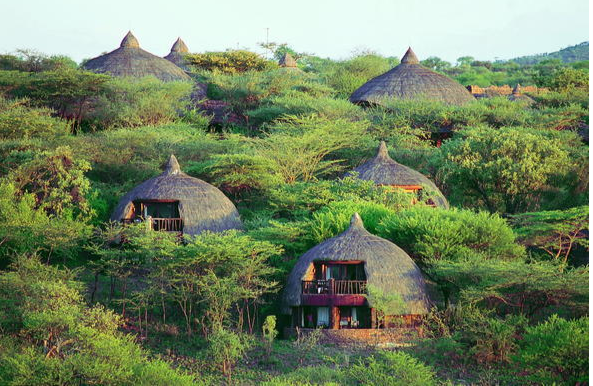

Safari Lodges Tanzania offers some of the finest wildlife viewing on the continent, and the place you choose to stay plays a huge part in how the journey feels. A safari lodge is more than a bed for the night. It is your base, your dining room, your viewing platform, and often your first and last glimpse of each day in the wild.
With hundreds of lodges and camps scattered across the country, from busy rim-top properties to remote bush hideaways, choosing can feel overwhelming. This guide breaks down the different types of safari lodges in Tanzania, the main regions, what each budget level typically delivers, and how to match a property to your plans.
Lodge or Camp: What Is the Difference?
In Tanzania, the words “lodge” and “camp” are often used loosely, but there are some general differences worth knowing.
- Lodges are usually larger, built from permanent materials such as stone, timber, and thatch, with a main building, restaurant, and bar, and often a swimming pool. They tend to have more rooms and facilities.
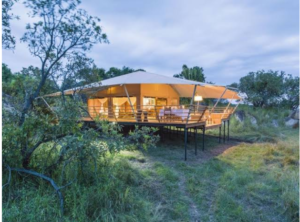
- Permanent tented camps use canvas walls over a solid base, often with proper beds and ensuite bathrooms. They are typically smaller, closer to nature, and more atmospheric.
- Mobile camps are seasonal tented camps that move to follow the wildlife, and they offer an immersive, classic safari feel.
- Basic and public campsites are the most affordable option, with simple facilities and often a self-sufficient or fully catered camping safari.
Neither style is automatically better. A large lodge may offer more amenities and variety, while a small camp may deliver greater privacy and a closer connection to the bush.
Understanding the Levels: Budget, Mid-Range, and Luxury
Safari lodges in Tanzania span a wide spectrum, and knowing what each tier generally offers helps set expectations.
Budget Lodges and Camps
Budget options typically provide clean, simple accommodation with shared or basic facilities, hearty meals, and a base from which to explore. They are popular with travellers on group or camping safaris, and they offer a genuine, no-frills experience. Locations may be outside park gates or in more crowded areas, and vehicles are often shared.
Mid-Range Lodges
Mid-range lodges strike a balance between comfort and value. Expect ensuite rooms or tents, good food, a pool in some cases, and reasonable locations. Many are larger properties with more guests, and activities may be limited to standard game drives in shared or private vehicles.
Upper Mid-Range and Luxury Lodges
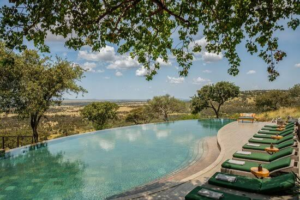
At the top end, lodges and camps offer spacious suites, refined cuisine, prime locations, expert guides, and a high level of service. Smaller guest numbers, private vehicles, and exclusive activities such as walking safaris, night drives, and balloon flights add to the experience. Rates are naturally higher, and the best properties book out well in advance.
The Best Regions for Safari Lodges in Tanzania
Tanzania’s major parks each offer a distinct experience, and your lodge choice should reflect the region and season.
Serengeti National Park
The Serengeti is the country’s headline destination, and it offers the widest range of lodges and camps. Key areas include:
- Central Serengeti (Seronera): Reliable game viewing and strong big-cat sightings throughout the year.
- Northern Serengeti: Remote and quiet, ideal for river crossings from roughly July to October.
- Western Serengeti and Grumeti: River crossings in the early dry season and private reserves with exclusive activities.
- Southern Serengeti and Ndutu: Calving season from roughly January to March.
Location matters here, since the park is huge. Choose a lodge in the area where the herds are expected during your travel dates.
Ngorongoro Crater and Conservation Area
Lodges on the crater rim offer spectacular views across the caldera, which holds a dense concentration of wildlife. The rim is cool in the mornings and evenings, so pack warm layers. Cheaper options are available in nearby towns and the surrounding highlands, but staying on the rim saves time and puts you in the best position for an early descent.
Tarangire National Park
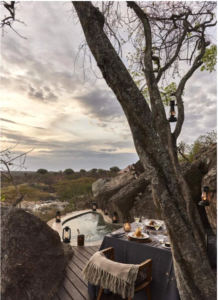
Tarangire is known for large elephant herds, baobab trees, and excellent dry-season wildlife viewing. Lodges here range from simple to indulgent, and the park is easy to reach from Arusha, making it a popular first stop.
Lake Manyara National Park
Compact and scenic, Lake Manyara offers lush forest, birdlife, and views across the Rift Valley. Lodges often sit on the escarpment above the lake, providing sweeping views and a relaxed pace.
Southern Tanzania: Nyerere and Ruaha
The south offers a quieter, wilder safari experience. Nyerere National Park, formerly part of the Selous Game Reserve, features river and walking safaris, while Ruaha is a rugged park known for lions, elephants, and dramatic landscapes. Lodges here are fewer, and visitor numbers are low.
Western Tanzania: Mahale and Katavi
For adventurous travellers, remote camps in Mahale offer chimpanzee trekking on the shores of Lake Tanganyika, while Katavi is known for its hippos and buffalo. Access is by light aircraft, and the experience is truly off the beaten path.
What to Consider When Choosing a Safari Lodge
Before you book, think carefully about the following.
- Location in relation to the wildlife. Ask how close the lodge is to key areas and what the season brings.
- Size and atmosphere. Large lodges can feel lively and sociable, while small camps feel quiet and intimate.
- Activities. Check whether the lodge offers private vehicles, walking safaris, night drives, or balloon flights, and whether these cost extra.
- Meal and drink inclusions. Some rates are full board, while others charge separately for drinks and activities.
- Room type and accessibility. Consider layout, views, bathrooms, and access if mobility is a concern.
- Family friendliness. Some lodges welcome children and offer family rooms, while others have age restrictions.
- Facilities. A pool, spa, or Wi-Fi may matter to you, or you may prefer a digital detox.
- Sustainability. Look for solar power, local employment, and support for conservation and community projects.
- Reputation. Read recent traveller reviews and, ideally, speak with a specialist who has visited the property.
Best Time to Stay
Tanzania can be visited year-round, but the season affects both what you see and what you pay.
- June to October (dry season): Excellent game viewing, comfortable weather, and the Mara River crossings from around July. This is peak season with the highest rates.
- January to March: Calving season in the southern Serengeti, with warm, green landscapes and fewer visitors than the dry season peak.
- November to December (short rains): Quieter, green, and good for birding, with brief showers.
- April to May (long rains): The quietest and cheapest period, with some lodges closed and slower road conditions.
Because lodges in popular regions fill early for the dry season, booking nine to twelve months ahead is wise for peak dates.
Typical Costs: What to Expect
Rates vary widely, but as a rough guide per person per night:
- Budget camps and lodges: Often under 150 US dollars, with basic facilities.
- Mid-range lodges: Typically around 200 to 500 US dollars, depending on season and location.
- Luxury lodges and camps: Commonly from around 600 to well over 2,000 US dollars, usually all-inclusive.
These are broad estimates and vary by season, property, and what is included. Park fees, which can be significant in Tanzania, are sometimes included in luxury rates but charged separately at lower tiers. Always confirm inclusions, and ask a specialist for current prices.
Tips for Getting the Most from Your Lodge Stay
- Stay at least two nights at each property to enjoy it properly and reduce travel fatigue.
- Vary your stays with a mix of lodges, tented camps, and possibly a mobile camp.
- Pack light and soft, especially if you will use light aircraft with luggage limits.
- Dress in layers, as early mornings can be cold, particularly on the crater rim.
- Respect the wildlife. Follow staff instructions, especially at night in unfenced camps.
- Communicate your needs. Mention dietary requirements, celebrations, and accessibility in advance.
- Tip appropriately. Tipping guides and staff is customary, and many lodges offer guidance.
Travelling Responsibly
Tourism is a major source of conservation funding in Tanzania. Choose lodges that employ and train local people, minimise waste and water use, and give back to nearby communities. Your choice of accommodation can help protect wildlife and landscapes for the future.
Conclusion
The right safari lodge in Tanzania depends on your budget, your interests, and the experience you want. A simple camp can deliver wonderful wildlife at a modest price, while a luxury lodge can turn a safari into a once-in-a-lifetime indulgence. Focus on location, season, and the style of property that suits you, and plan early to secure the best options. With careful choices, your lodge will become part of the story you tell for years.
Key Takeaways
- Tanzanian lodges range from budget camps to ultra-luxury properties, and each tier delivers a different level of comfort and exclusivity.
- Location relative to the wildlife and the season matters more than amenities.
- The Serengeti offers the widest choice, while the south and west offer quiet, remote alternatives.
- Mix lodge styles and stay at least two nights per property.
- Rates vary widely, from under 150 to over 2,000 US dollars per person per night.
- Book nine to twelve months ahead for peak season.
- Choose responsible lodges that support conservation and local communities.
Frequently Asked Questions
What are the best safari lodges in Tanzania? The best lodge depends on your budget, season, and region. Consider location, size, activities, and reputation, and consult a specialist to match a property to your priorities.
How much do safari lodges in Tanzania cost? Budget options are often under 150 US dollars per person per night, mid-range lodges typically range from about 200 to 500, and luxury lodges commonly start around 600 and go well beyond 2,000.
What is the difference between a lodge and a tented camp? Lodges are usually larger permanent buildings with more facilities, while tented camps use canvas over a solid base and tend to be smaller and closer to nature.
Which area is best for a first safari in Tanzania? The northern circuit of Tarangire, Ngorongoro, and the Serengeti is the classic choice, offering a wide variety of wildlife and landscapes.
When should I book a safari lodge? For peak season from June to October, book nine to twelve months ahead. Green season offers more flexibility.
Are safari lodges suitable for children? Many lodges welcome families, though some have age limits. Check policies before booking.
Are meals and drinks included? It varies. Luxury lodges are often all-inclusive, while budget and mid-range lodges may charge separately for drinks and activities.
Can I stay in a lodge outside the park? Yes, and it can be a good way to save money. The trade-off is travel time into the park and possibly fewer exclusive activities.
Is it safe to stay in unfenced lodges? Yes. Lodges follow safety protocols, including escorts after dark. Follow staff instructions and you will be well looked after.