

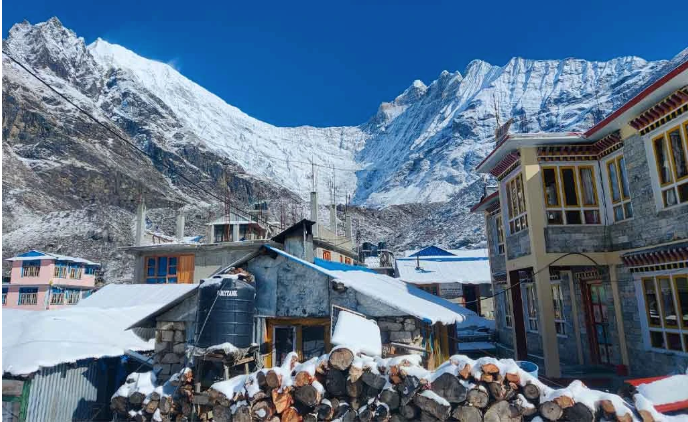

The Langtang Valley Trek is one of Nepal’s most beautiful and rewarding Himalayan adventures. Located north of Kathmandu near the Tibetan border, the region offers an impressive combination of snow-covered mountains, peaceful forests, traditional villages, alpine landscapes, and rich Himalayan culture.
One of the biggest advantages of the Langtang Valley Trek is its accessibility. The trail is relatively close to Kathmandu, yet it takes trekkers deep into a remarkable mountain environment. Along the way, travelers can experience the hospitality of local Tamang and Sherpa communities while enjoying views of dramatic Himalayan peaks.
Choosing the right season is an important part of planning the journey. Understanding the Best Time for Langtang Valley Trek helps you prepare for weather, trail conditions, mountain visibility, and the overall trekking experience.
Best Time for Langtang Valley Trek
The most favorable seasons for the Langtang Valley Trek are generally spring and autumn. These periods usually offer a good combination of pleasant trekking conditions, clearer mountain views, and comfortable daytime temperatures.
However, each season has its own advantages and challenges. The best time for you will depend on whether you prioritize clear views, blooming flowers, fewer crowds, or cooler temperatures.
Spring: March to May
Spring is one of the best seasons for the Langtang Valley Trek.
As winter comes to an end, temperatures gradually become warmer, and the forests begin to come alive. Rhododendrons and other flowers add color to the landscape, making sections of the trail particularly scenic.
March can still be cold at higher elevations, while April and May generally offer warmer conditions.
Why Trek Langtang in Spring?
- Pleasant daytime temperatures
- Beautiful rhododendron forests
- Green and colorful landscapes
- Good mountain visibility on clear days
- Comfortable conditions for longer trekking days
Spring is an excellent choice for travelers who want to combine Himalayan scenery with beautiful natural landscapes.
Autumn: September to November
Autumn is another excellent season for the Langtang Valley Trek.
Following the monsoon season, the atmosphere often becomes clearer, and mountain views can be spectacular. Temperatures are generally comfortable during the day, although mornings and evenings become cooler as the season progresses.
October is particularly popular among trekkers because of its generally favorable conditions.
Why Trek Langtang in Autumn?
- Generally stable weather
- Clearer mountain views
- Comfortable trekking temperatures
- Beautiful landscapes
- Excellent conditions for photography
If mountain visibility is one of your main priorities, autumn is often a very attractive choice.
Winter: December to February
Winter brings colder temperatures to the Langtang region, particularly at higher elevations.
Snow can cover sections of the trail, and nights can become very cold. However, winter can also provide a quieter experience with fewer trekkers and beautiful snow-covered landscapes.
Travelers choosing this season should be properly equipped with warm clothing, suitable footwear, and a flexible itinerary.
Advantages of Winter Trekking
- Fewer trekkers
- Peaceful trails
- Snow-covered mountain scenery
- Potentially clear skies
The main challenge is the cold, especially around higher parts of the valley.
Monsoon: June to August
The monsoon season generally brings frequent rainfall to Nepal, and the Langtang region can experience wet and slippery trails.
Clouds may obscure the mountains, while rain can make some sections muddy. Leeches can also be present in forested areas during wetter periods.
Although the trek is possible for determined and experienced travelers, monsoon conditions generally require more preparation and flexibility.
Challenges During Monsoon
- Frequent rainfall
- Muddy and slippery trails
- Reduced mountain visibility
- Humid conditions
- Possible trail disruptions
If trekking during this season, waterproof clothing, rain protection, and good footwear are particularly important.
Langtang Valley Trek in Different Seasons
| Season | Months | General Conditions | Main Advantage |
| Spring | March–May | Mild and increasingly warm | Flowers and mountain scenery |
| Summer/Monsoon | June–August | Wet and cloudy | Fewer trekkers |
| Autumn | September–November | Generally clear and comfortable | Mountain visibility |
| Winter | December–February | Cold, possible snow | Quiet trails and winter scenery |
How Long Does the Langtang Valley Trek Take?
The Langtang Valley Trek commonly takes around 7 to 10 days, depending on your itinerary, walking pace, transportation, and optional side trips.
Some trekkers choose a shorter schedule, while others spend additional time around Kyanjin Gompa to explore nearby viewpoints.
Allowing extra time can make the trek more comfortable and provide flexibility for weather or transportation delays.
Major Highlights of the Langtang Valley Trek
The Langtang region offers a wide variety of experiences throughout the journey.
Some of the main highlights include:
- Beautiful views of Langtang Lirung
- Traditional Tamang villages
- Dense rhododendron and bamboo forests
- Alpine valleys
- Kyanjin Gompa
- Kyanjin Ri viewpoint
- Tserko Ri viewpoint
- Glacial landscapes
- Local Himalayan culture
- Peaceful mountain trails
Kyanjin Gompa is one of the most memorable stops on the route. Many trekkers spend an additional day here to explore the surrounding area and enjoy panoramic mountain views.
Langtang Valley Trek Difficulty
The Langtang Valley Trek is generally considered a moderate trek.
You do not normally need technical mountaineering skills, but you should be prepared for several hours of walking each day, uphill and downhill sections, uneven terrain, and increasing altitude.
Regular hiking, stair climbing, cardiovascular exercise, and leg-strengthening workouts can help you prepare.
Maintaining a steady pace is more important than trying to walk quickly.
Altitude on the Langtang Valley Trek
Altitude is an important consideration when planning the Langtang Valley Trek.
The trail gradually climbs from lower elevations toward the high alpine environment around Kyanjin Gompa and the surrounding viewpoints. As altitude increases, the amount of oxygen available decreases, which can make physical activity more demanding.
Trekkers should maintain a comfortable pace, stay hydrated, eat properly, and give their bodies enough time to adjust.
If you experience persistent or worsening symptoms associated with altitude, take them seriously and seek appropriate medical assistance. Descending to a lower elevation may be necessary in serious situations.
What Should You Pack?
Your packing list should depend on the season you choose.
Essential items can include:
- Comfortable trekking boots
- Warm base layers
- Waterproof jacket
- Insulated jacket
- Trekking trousers
- Warm hat and gloves
- Sleeping bag
- Sunglasses
- Sunscreen
- Trekking poles
- Reusable water bottle
- Headlamp
- Basic first-aid supplies
- Personal medication
- Power bank
- Comfortable backpack
During winter or colder periods, additional insulation and warmer sleeping equipment may be necessary.
Tips for Choosing the Best Time
When deciding on the Best Time for Langtang Valley Trek, consider your personal priorities.
Choose spring if you want colorful forests, blooming rhododendrons, and increasingly warmer conditions.
Choose autumn if clear mountain views and generally stable trekking weather are your priorities.
Choose winter if you prefer quieter trails and do not mind cold conditions.
Consider monsoon only if you are comfortable with rain, muddy trails, and less predictable mountain visibility.
Regardless of the season, mountain weather can change quickly, so carrying appropriate clothing and maintaining some flexibility in your itinerary is always recommended.
Key Points to Remember
Before beginning your Langtang Valley Trek, keep these points in mind:
- Spring and autumn are generally the best trekking seasons.
- March to May offers beautiful flowering landscapes.
- September to November is popular for favorable weather and mountain visibility.
- Winter can bring cold temperatures and snow at higher elevations.
- Monsoon brings rain, muddy trails, and reduced visibility.
- The trek is generally moderate and does not require technical climbing skills.
- Proper footwear is important for uneven and sometimes slippery trails.
- Pack according to the season and expected conditions.
- Take altitude seriously as you climb higher into the valley.
- Keep some flexibility in your itinerary for changing weather and trail conditions.
Conclusion
The Langtang Valley Trek is an excellent choice for travelers looking for a Himalayan adventure that combines spectacular scenery, traditional culture, peaceful trails, and a relatively accessible trekking route from Kathmandu.
For most travelers, the Best Time for Langtang Valley Trek is spring (March to May) or autumn (September to November). These seasons generally provide comfortable trekking conditions and good opportunities to enjoy the surrounding mountains.
However, every season offers something different. Spring brings colorful forests, autumn provides excellent mountain scenery, winter offers peaceful snow-covered landscapes, and monsoon provides a quieter experience for those prepared for wet conditions.
With proper preparation, suitable equipment, a sensible itinerary, and the right choice of season, the Langtang Valley Trek can be an unforgettable journey through one of Nepal’s most beautiful Himalayan regions.